Original Bill of Lading or Telex Release for Car Imports from China: What Buyers Should Understand

bill of lading release choice: the buyer question behind the search
A buyer may focus on the vehicle price, then discover that release documents decide how quickly the car can be collected at destination. Importers searching for used cars from China often combine vehicle keywords with shipping documents, invoice checks, proof photos, payment timing and supplier trust. That search behavior is practical. The buyer wants to avoid a situation where the car is attractive but the paper trail, proof package or quotation wording is too weak for the destination-side broker or final customer.
This article explains original bill of lading, telex release and express release in a used-car export context. It is not a substitute for local customs or legal advice. Buyers should always confirm destination requirements with a broker, but they can still ask better questions before reserving a unit through Panda Used Cars.
What can go wrong with bill of lading release choice
The common risk is naming the wrong consignee, paying late, losing physical documents or assuming every port accepts the same release method. A buyer may think the deal is already clear because the price was discussed, but a missing document detail can delay release, confuse the broker or create a customer-service problem after arrival. The safest habit is to ask what is confirmed now, what will be confirmed after deposit and what will only be available after shipment.
| Checkpoint | Why it matters | Question to ask |
|---|---|---|
| Vehicle identity | Prevents model and trim confusion | Does the description match photos, dashboard and vehicle link? |
| Quotation scope | Prevents false landed-cost assumptions | Is this vehicle-only, export-ready, FOB-style or another basis? |
| Document timing | Protects shipment and release planning | When will the buyer receive the next document or proof? |
| Broker review | Connects China-side data with destination rules | Has the local broker checked the names, values and route assumptions? |
How to connect bill of lading release choice with real inventory
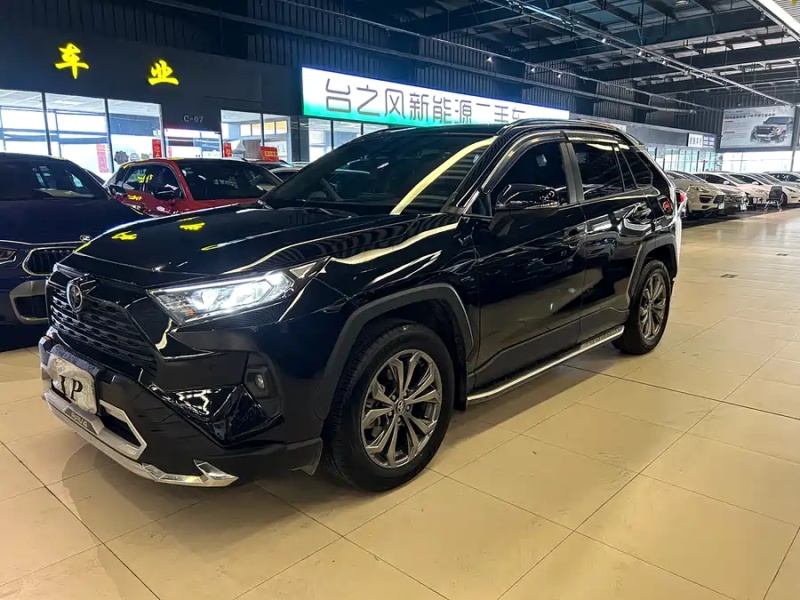
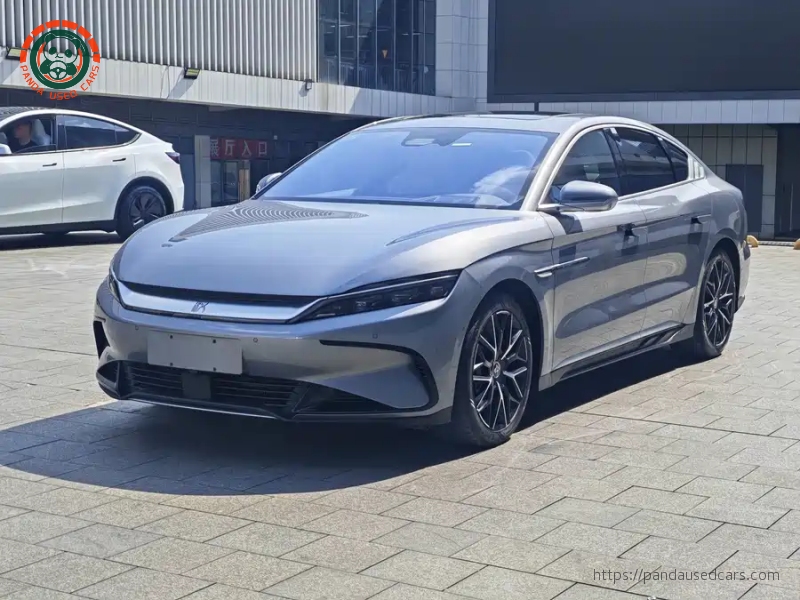
Documentation and proof should not be separated from vehicle selection. A buyer reviewing a compact sedan should check mileage, dashboard, seats and fuel-economy story. An SUV buyer should ask for tire, suspension and rear-cabin evidence. An EV buyer should ask for range display, charging accessories and battery-related dashboard information. Live examples on the used car inventory help the buyer compare models before asking for a quotation.
Buyer file method for bill of lading release choice
Keep the vehicle link, quotation, invoice version, payment proof, photos, videos, shipment note and broker questions in one folder. This makes the order easier for the salesperson, accountant and destination broker to understand. When several vehicles are shipped together, each unit should have its own mini-record so a sedan, SUV, EV and MPV do not get mixed into one unclear conversation.
Useful links while reviewing bill of lading release choice decisions
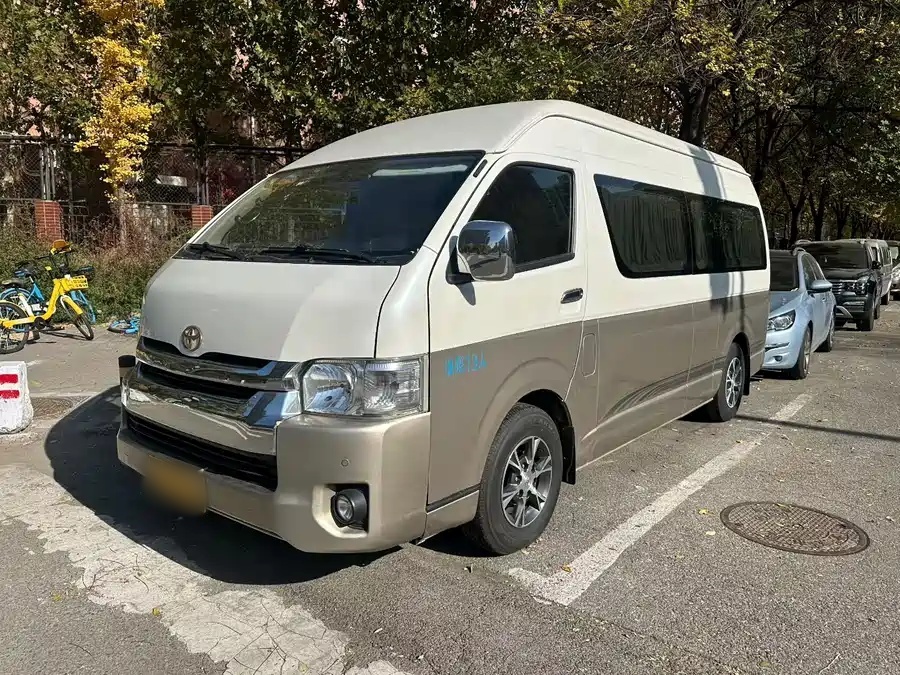
Buyers can read the delivery process and compare it with the FAQ. Brand pages such as BYD used cars, Toyota used cars, Volkswagen used cars and BMW used cars can also help when the buyer wants examples of different vehicle categories. Do not use the same question list for every model; a low-cost sedan and a premium EV need different evidence.
Short checklist before approving bill of lading release choice
- Confirm the exact vehicle, model year, trim and visible condition.
- Ask what the quoted price includes and what it excludes.
- Confirm the next document or proof milestone before paying the next stage.
- Give the destination broker the buyer name, consignee details and route assumptions early.
- Keep all photos, videos, invoices and shipment notes in one order record.
Good export communication reduces avoidable surprises. Buyers who send a clear inquiry through the Panda Used Cars contact page can include destination, budget, vehicle type, fuel preference and the document questions that matter most. That gives Panda Used Cars enough context to recommend units and explain the China-side process without turning every detail into a last-minute question.

Final note on managing bill of lading release choice
The right document or proof habit does not make an import risk-free, but it makes the risk visible earlier. A buyer can still negotiate price, compare models and move quickly, while keeping the order organized enough for the broker and sales team. When the vehicle, quotation, proof media and document timing all tell the same story, the import process feels less like a guess and more like a controlled sourcing workflow.

news