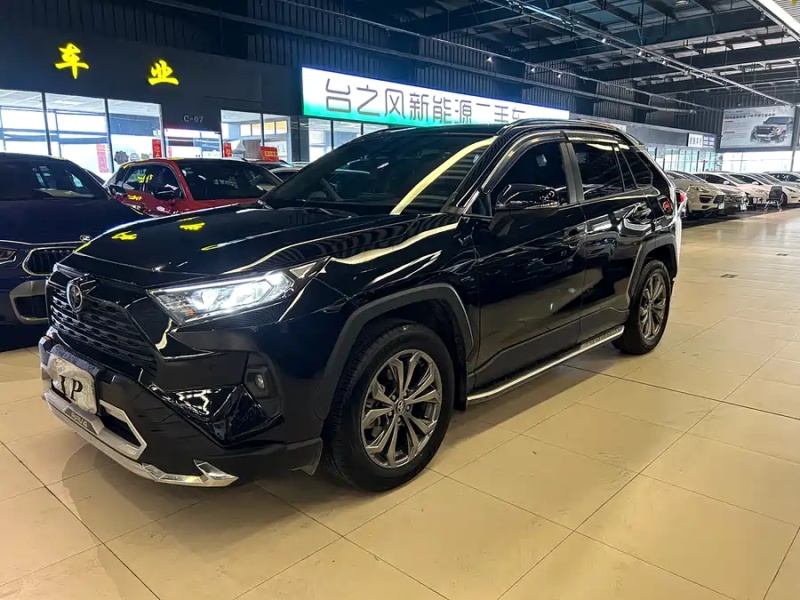
Proforma Invoice vs Commercial Invoice for Used Cars from China: What Buyers Should Check

Why Two Similar Invoices Create Real Export Questions
Many overseas buyers hear the words proforma invoice and commercial invoice during a used car export order from China, but the two documents do not serve the same purpose. Search behavior around Chinese used cars often includes payment timing, shipping documents, customs paperwork and supplier trust. That is a signal that buyers are not only comparing vehicle prices. They are trying to understand which paper supports a deposit decision, which paper supports shipment and which details must match before the vehicle reaches the destination port.
A proforma invoice is usually used before final shipment as a quotation and payment reference. A commercial invoice is normally part of the export and customs document package after the deal is confirmed. Exact requirements can vary by destination and case, so buyers should confirm with their local broker or customs adviser. Panda Used Cars can support the China-side document workflow, but the destination-side interpretation must be checked locally.
A Simple Difference Table
| Document | Typical use | Buyer check |
|---|---|---|
| Proforma invoice | Quotation, deposit reference and order confirmation | Vehicle model, price basis, seller details, buyer details and payment stage |
| Commercial invoice | Final trade document for export and destination clearance support | Final vehicle value, consignee details, vehicle description and consistency with other documents |
| Packing or loading proof | Shipment evidence when available | VIN, photos, loading method and timing |
| Bill of lading or transport document | Carrier or route evidence after shipment | Consignee, notify party, port, vessel or route and document release method |
The table is intentionally simple because the buyer's job is not to memorize legal wording. The buyer's job is to make sure the documents tell one consistent story. If the proforma invoice names one buyer, the commercial invoice names another, the bill of lading uses a different consignee and the vehicle description changes, the local broker may need extra explanation. Small differences can be normal when an order changes, but they should be discussed before the vehicle reaches the destination.

What Buyers Should Check Before Paying the Deposit
Before paying a deposit, the buyer should compare the proforma invoice with the vehicle evidence. The model name, year, trim, mileage, visible condition, vehicle link and quotation basis should make sense together. If the buyer is choosing between a sedan, SUV, MPV or EV, each unit should have its own clear record. The buyer can browse current examples in the used car inventory and compare model pages before asking for a quotation.
It is also useful to ask what will happen after the deposit. Will more inspection photos be collected? When will China inland transport begin? Which export documents are expected? When should the balance be paid? How will the buyer receive shipment updates? These questions connect invoice review with the broader delivery process, making the order easier to manage.
Invoice Details That Often Cause Confusion
Vehicle names can be long, especially when Chinese model years and trim packages are translated into English. A buyer should not assume that two similar names describe the same version. For EVs and hybrids, battery size, range version, seat layout and exact trim may affect value. For fuel vehicles, engine size, gearbox and model year can matter. When the buyer is unsure, ask for dashboard images, trim notes and a direct vehicle link.

Price basis is another common issue. A number may refer to vehicle price only, FOB-style export quotation, CIF-style quotation or another arrangement. Buyers should ask what is included and what is not included. The answer affects landed cost, broker planning and customer pricing. Related pages such as service, FAQ and brand categories like Toyota used cars or BYD used cars can help the buyer build a clearer inquiry.
How Dealers Can Organize Document Review Internally
Dealers should avoid keeping invoice review only in a chat thread. A simple internal record is enough: vehicle link, supplier contact, proforma invoice, payment proof, requested photos, final commercial invoice, shipment proof and broker notes. This makes it easier for a salesperson, accountant and broker to understand the same order without asking the supplier to repeat basic information.
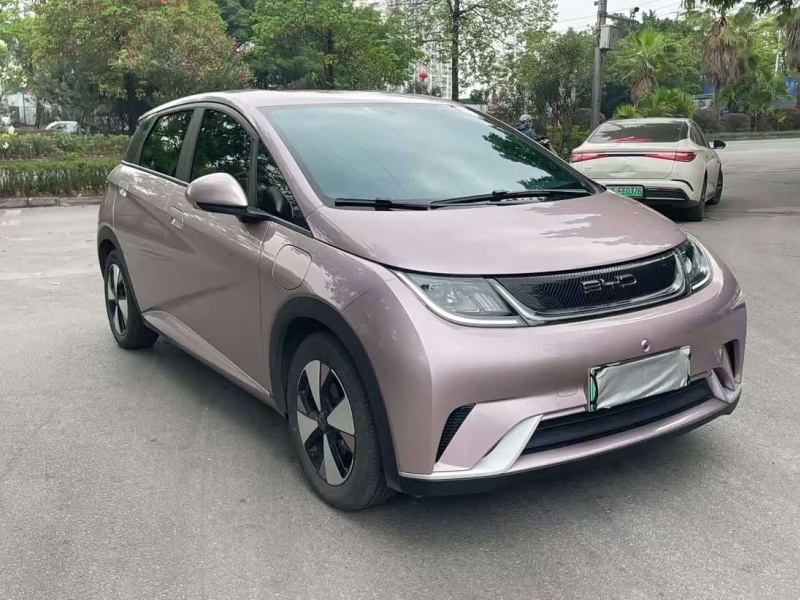
For larger batches, group vehicles by role. Entry sedans may need a simple price and mileage story. Family SUVs may need cabin, tire and air-conditioning evidence. MPVs may need row-by-row interior photos. Premium cars may need stronger cosmetic proof. The invoice should not be treated as a separate paper from these checks. It should be part of the same buying file.
Final Checklist Before Shipment
- Confirm buyer name, consignee or company details with the local broker.
- Match vehicle description, VIN evidence where practical and model details across documents.
- Confirm what the quotation includes before reading the price as landed cost.
- Ask when the commercial invoice and shipping documents will be available.
- Keep all photos, invoice versions and payment records in one order folder.
Used car importing is smoother when document questions are asked early. Buyers can use the Panda Used Cars contact page to send vehicle requirements, destination details and document questions in one message. For live model research, compare Volkswagen used cars, BMW used cars, Tesla used cars and the full inventory. The right document habit does not replace local customs advice, but it helps the buyer avoid confusion between quotation, payment and final clearance paperwork.

news