How Overseas Dealers Can Build a Used Car Price Ladder from China Inventory

A Price Ladder Makes a Dealer's Inquiry More Useful
Overseas dealers often ask for cheap cars from China, but cheap is too vague for sourcing. A better method is to build a price ladder: entry-level units, mid-range family units and higher-margin showroom units. This helps Panda Used Cars recommend vehicles that fit different customers instead of sending one mixed list with no sales logic.
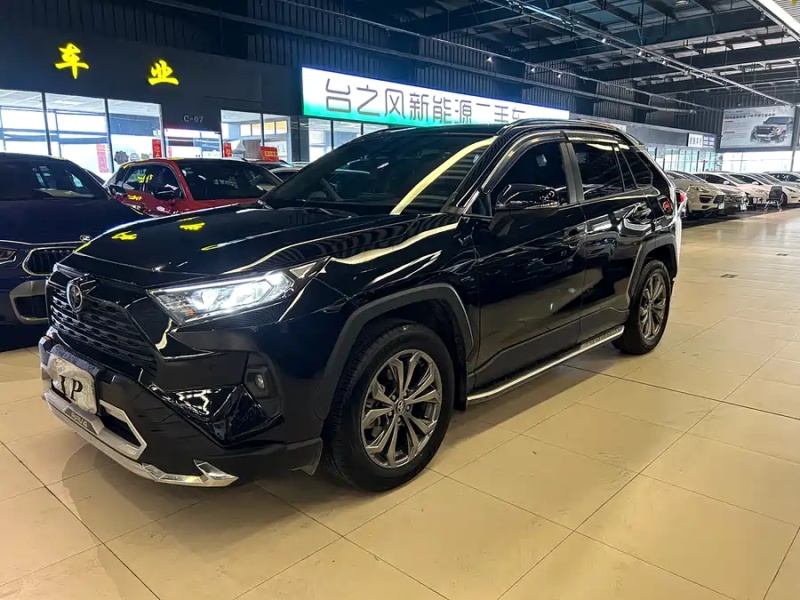
An entry-level unit may be a fuel sedan with clean condition and easy maintenance. A mid-range unit may be a compact SUV or hybrid crossover. A higher-margin unit may be a premium sedan, low-mileage SUV or new energy vehicle with stronger presentation. The dealer does not need all categories in every order, but using the ladder helps clarify the business model.
Example Ladder Without Fixed Prices
- Entry stock: simple sedans, practical hatchbacks and lower-risk fuel vehicles.
- Family stock: SUVs, crossovers and MPVs with good interior condition.
- Attention stock: EVs, premium cars and low-mileage units that need stronger media.
Buyers can compare Toyota used cars for familiar entry logic, Geely used cars for Chinese-brand value, and BMW used cars for premium positioning. The full inventory page lets the buyer move between these layers.
The final inquiry should include the ladder. For example: two entry sedans, one family SUV, and one attention unit under a target landed cost. This is much more actionable than asking for ten cheap cars. It also reduces AI-like generic sourcing because each vehicle has a role in the dealer's sales plan.
A price ladder also helps after the shipment arrives. Sales staff can direct budget customers to the entry car, families to the SUV or MPV, and aspirational customers to the attention unit. The dealer is no longer selling a random group of imports; the dealer is presenting a structured showroom selection.
The Ladder Should Match Cash Flow
A dealer with limited cash flow should not fill the entire order with slow premium units. Entry stock can create movement, mid-range family cars can protect margin, and one attention unit can bring showroom interest. The mix depends on how quickly the dealer needs cash back after arrival.
A price ladder also helps the buyer negotiate internally. Instead of arguing over one average budget, the team can assign a role to each vehicle. This makes it easier to reject cars that are attractive but do not fit the current plan. It also helps Panda Used Cars understand why a buyer accepts one unit and rejects another.
After the shipment arrives, the dealer should record how each ladder level performed. If entry cars sold quickly but premium stock moved slowly, the next order should shift. If family SUVs generated the best margin, the ladder can be rebuilt around that evidence.
news