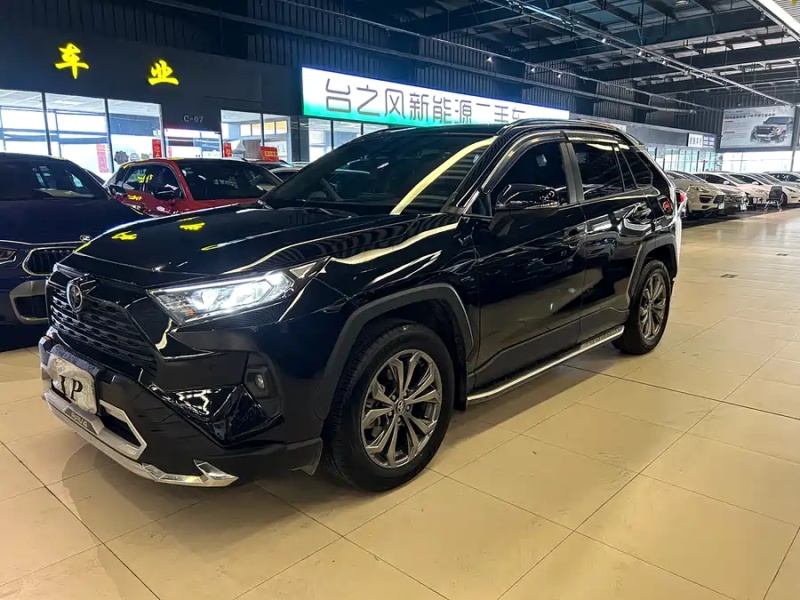
How to Import Used Cars from China in 2026: Step-by-Step Guide for Buyers
How to Import Used Cars from China in 2026: Step-by-Step Guide for Buyers
China's used car export market has evolved from a niche opportunity into a global powerhouse. In 2025, China exported over 800,000 used vehicles, and projections for 2026 suggest the number will comfortably surpass one million. For international buyers in Africa, the CIS region, the Middle East, Southeast Asia, and parts of Europe and Latin America, importing a used car from China is now one of the smartest ways to get a reliable, feature-rich vehicle at a fraction of the cost of buying new — or even buying used locally.
But the process can be complex if you don't know what you're doing. Customs regulations, vehicle inspections, shipping logistics, and supplier verification all require careful attention. This guide walks you through every step, from finding the right car and supplier to clearing your vehicle at port and driving it home.
1. Why Import Used Cars from China in 2026?
Before diving into the how, it's worth understanding the why. Several converging trends make 2026 an especially favorable year:
Rapid domestic fleet turnover. China's new car market sells over 25 million vehicles a year. Consumers upgrade frequently, flooding the used market with low-mileage, late-model vehicles.
Competitive pricing. A 2–3 year-old sedan or SUV from China can cost 30–60% less than an equivalent vehicle purchased locally in many emerging markets.
Quality of Chinese brands. BYD, Changan, Geely, and Chery have made dramatic quality leaps. These brands now rival Japanese and Korean competitors in reliability, technology, and build quality.
EV and PHEV availability. China leads the world in new energy vehicle (NEV) adoption. Buyers looking for affordable electric or plug-in hybrid SUVs will find unmatched selection.
Maturing export infrastructure. Dedicated used car export zones, standardized inspection protocols, and experienced logistics providers have significantly reduced friction.
2. The Complete Import Process: Step by Step
Step 1: Define Your Requirements
Start by answering these questions:
What vehicle type do you need? (Sedan, SUV, MPV, pickup, or commercial vehicle)
What's your budget? (Include vehicle cost, shipping, customs duties, and local registration)
Fuel type preference? (Gasoline, diesel, electric, or plug-in hybrid)
What are your country's import regulations? (Age limits, emission standards, left-hand/right-hand drive requirements, EV certification)
Pro tip: Some countries restrict imports to vehicles under 5, 8, or 10 years old. Others ban specific fuel types or require certain emission certifications. Verify your local rules before shopping.
Step 2: Find a Reliable Supplier or Platform
This is arguably the most critical step. Your options include:
Specialized used car export platforms — Platforms like PandaUsedCars.com curate verified listings with detailed photos, inspection reports, and export support. This is the safest route for first-time importers.
Chinese used car dealers with export licenses — China requires dealers to hold specific export qualifications. Always verify the license.
Sourcing agents — Independent agents can help you find specific models, but vet them carefully through references and escrow-based payment.
Step 3: Select and Verify the Vehicle
Once you've identified candidate vehicles, conduct thorough due diligence:
Request the full photo set (exterior, interior, engine bay, undercarriage, tires, dashboard/odometer).
Ask for the vehicle's maintenance records and accident history.
Confirm the VIN (Vehicle Identification Number) and cross-check it against registration documents.
Request a third-party inspection if the platform doesn't provide one.
Step 4: Negotiate and Secure Payment
Agree on the price, Incoterm (FOB or CIF), and included services (inspection, inland transport to port, export documentation).
Use secure payment methods: bank T/T with a deposit-balance structure (typically 30% deposit, 70% before shipping) or escrow services.
Get a formal Proforma Invoice and Sales Contract.
Step 5: Pre-Shipment Inspection and Export Documentation
Before the car leaves China, the export company will handle:
Vehicle de-registration from the Chinese system
Export customs declaration
Issuance of the Bill of Lading (B/L), Commercial Invoice, and Packing List
Certificate of Title / Export Certificate
Pre-shipment inspection (if required by your country — many African nations require SGS, COTECNA, or similar)
Step 6: Shipping
Choose between:
RoRo (Roll-on/Roll-off): The car is driven onto a cargo ship. More affordable, but limited route availability and longer transit times.
Container shipping (20ft or 40ft): More expensive, but offers better protection and the ability to ship parts or personal items alongside the vehicle. A 40ft container can fit 2–4 vehicles depending on size.
Major departure ports include Shanghai, Tianjin, Guangzhou, and Xiamen.
Step 7: Destination Customs Clearance and Registration
Upon arrival:
Present your B/L, Commercial Invoice, Packing List, and Export Certificate to your customs broker.
Pay applicable import duties, VAT, and any special levies.
Complete any required local inspection (roadworthiness, emissions testing).
Register the vehicle with your local transport authority.
Important: Hire an experienced local customs broker. The cost is minimal compared to the risk of delays, penalties, or vehicle seizure due to paperwork errors.
3. How to Choose a Reliable Exporter: Checklist
Not all exporters are created equal. Use this checklist to evaluate potential partners:
[ ] Valid used car export license issued by Chinese commerce authorities
[ ] Registered business entity with verifiable company details
[ ] Transparent pricing — no hidden fees for "processing," "handling," or "documentation"
[ ] Real vehicle photos (not stock images), with timestamps
[ ] Willingness to arrange third-party inspection before payment
[ ] Clear communication — responsive, answers questions directly, provides documentation promptly
[ ] Positive references or reviews from previous international buyers
[ ] Secure payment process — offers contract, invoice, and accepts structured payment terms
4. Vehicle Inspection and Condition Assessment
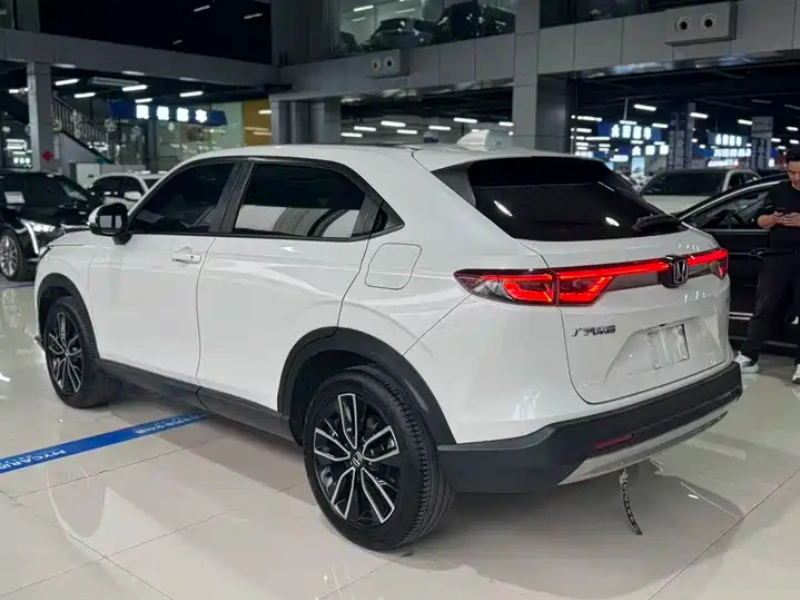
A thorough inspection is your strongest defense against costly surprises. Whether you inspect in person or rely on a third-party service, here's what to check:
Mechanical Inspection Checklist
[ ] Engine starts smoothly, idles evenly, no unusual noises
[ ] Transmission shifts cleanly through all gears (manual and automatic)
[ ] No visible oil leaks under engine or transmission
[ ] Brake pads and rotors within serviceable limits
[ ] Suspension — no clunking, even ride height, no excessive bounce
[ ] Exhaust — no blue or white smoke at startup or under load
[ ] Cooling system — no leaks, thermostat functions normally
[ ] Battery health (especially critical for EVs and PHEVs)
Body and Interior Checklist
[ ] Consistent paint color and texture across all panels (repaint indicates repair)
[ ] Panel gaps are even — uneven gaps suggest accident damage
[ ] No rust on undercarriage, wheel arches, or door sills
[ ] All electronics function: windows, mirrors, infotainment, AC, lights
[ ] Seats, dashboard, and trim in good condition
[ ] Odometer reading consistent with vehicle age and wear patterns
Documentation Checklist
[ ] VIN matches registration and vehicle plate
[ ] Odometer reading matches service records
[ ] No outstanding liens or financial encumbrances
[ ] Clean accident history (request a vehicle history report)
For models known for reliability, like the Toyota Levin, a basic inspection often confirms excellent condition even at 60,000–80,000 km — a testament to Japanese engineering and Chinese owner maintenance habits.
5. Logistics, Customs, and Clearance: Key Considerations
Shipping Costs (2026 Estimates)
| Route | RoRo (per unit) | 40ft Container |
|---|---|---|
| China → Mombasa (Kenya) | $1,200–$1,800 | $2,800–$3,600 |
| China → Dar es Salaam (Tanzania) | $1,300–$1,900 | $3,000–$3,800 |
| China → Jeddah (Saudi Arabia) | $900–$1,400 | $2,200–$3,000 |
| China → Poti (Georgia) | $1,500–$2,200 | $3,200–$4,200 |
| China → Lagos (Nigeria) | $1,800–$2,500 | $3,500–$4,500 |
Prices vary by season, fuel surcharges, and carrier availability.
Common Customs Risks and How to Avoid Them
Under-declaration of vehicle value. Customs authorities increasingly cross-reference declared values against market databases. Declare honestly.
Missing or incorrect documents. A single missing certificate can delay clearance for weeks. Double-check every document before the vehicle ships.
Age and emission non-compliance. Confirm your country's rules before purchasing. A car that's one year too old is unsellable and un-registrable.
EV-specific regulations. Some countries require UN38.3 battery certification for lithium-ion batteries. Verify this for any electric or plug-in hybrid vehicle.
6. Recommended Used Car Models for 2026
Reliable Sedans
The Toyota Levin remains one of the strongest choices for buyers who prioritize fuel efficiency, low maintenance costs, and proven resale value. The 2021–2023 models with the 1.8L hybrid powertrain deliver exceptional economy and are widely available in the Chinese used market at very competitive prices.
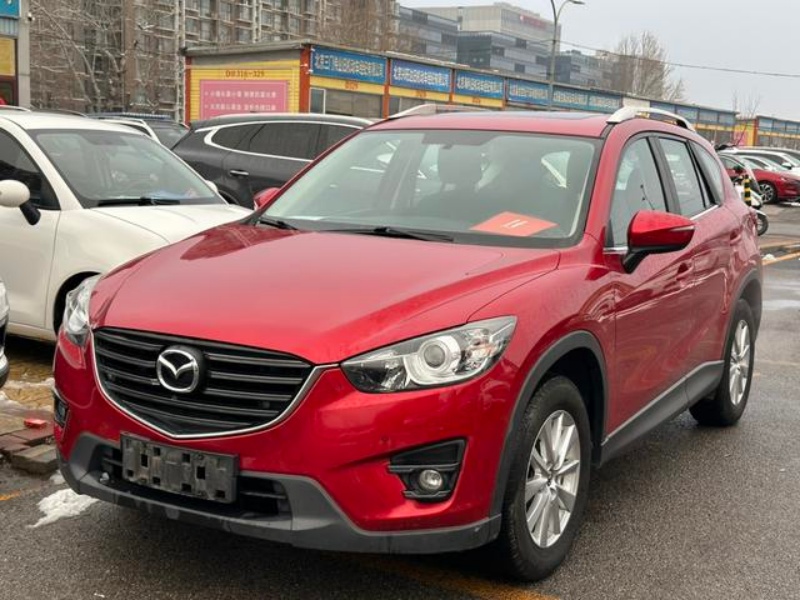
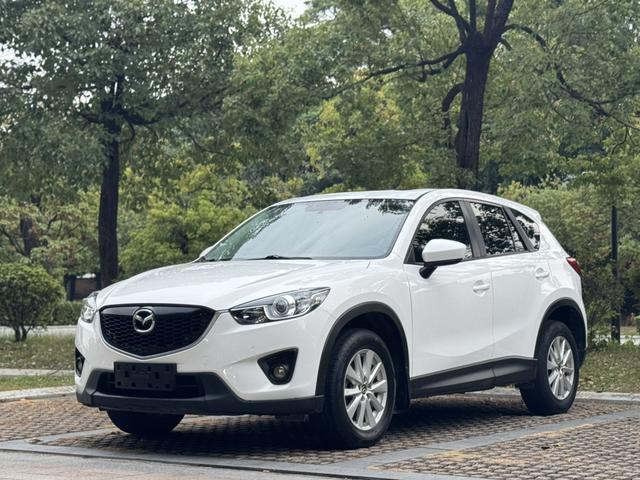
The Mazda CX-5 (technically a compact SUV) is another outstanding choice for buyers who want a polished, well-engineered vehicle with a premium feel. The 2.0L and 2.5L naturally aspirated engines are famously reliable, and parts availability is excellent globally.
New Energy Vehicles (EVs and PHEVs)
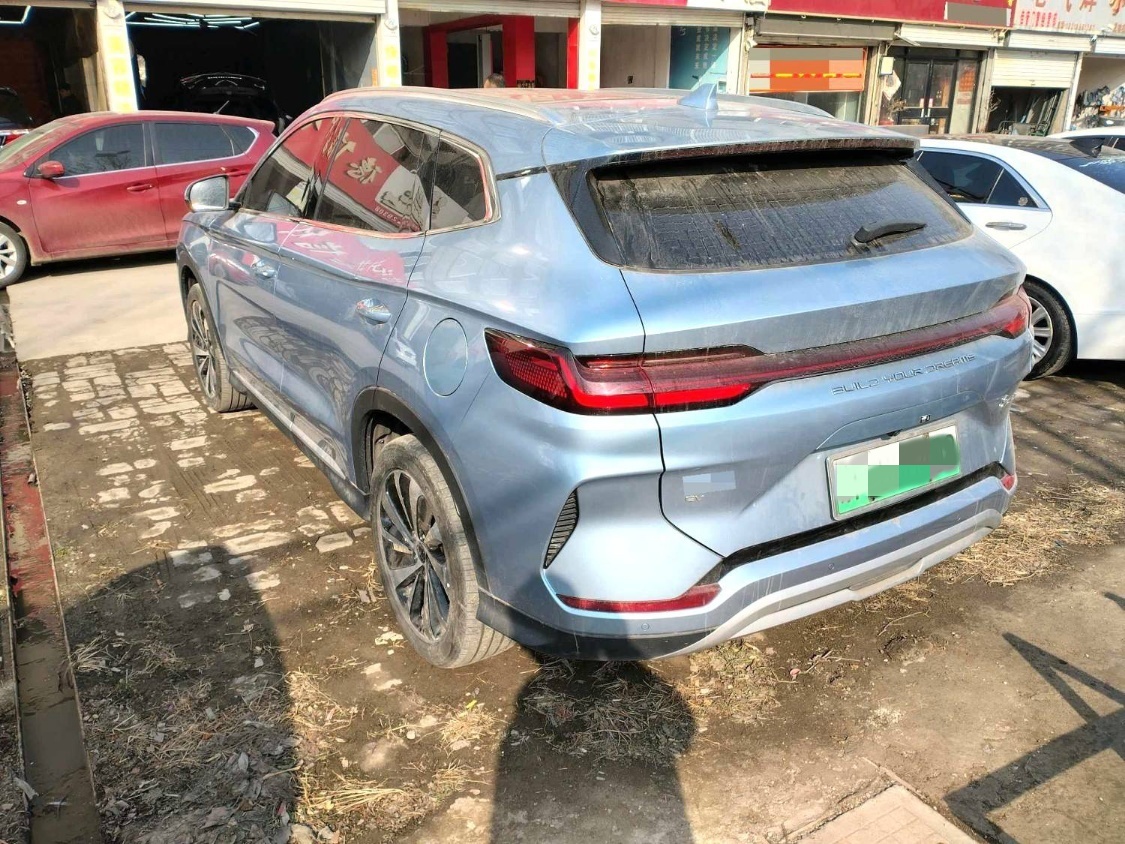
The BYD Song Plus EV is arguably the hottest used EV export from China right now. With a real-world range of 400–500 km (depending on variant), BYD's Blade Battery technology, and a spacious SUV body, it offers remarkable value. The 2023–2025 models are entering the used market in large numbers, with prices that make them accessible to markets in the Middle East, Central Asia, and Latin America.
EV Buyer's Note: Always verify battery State of Health (SOH) before purchasing. A healthy EV battery should retain at least 85–90% of its original capacity after 2–3 years of use. Request the BMS (Battery Management System) report.
Value-Oriented SUVs
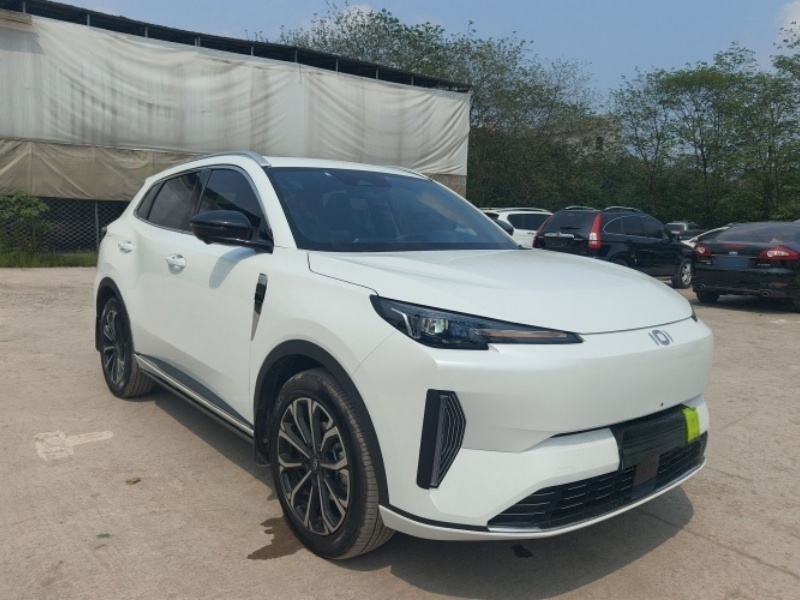
For buyers seeking a practical, feature-rich SUV at an aggressive price point, the Changan Qiyuan Q05 deserves serious attention. The 2024–2025 models come loaded with features — large touchscreen, L2 driver assistance, panoramic sunroof — that would cost double in competing brands. Changan's quality control has improved dramatically, and the Qiyuan series has earned strong domestic reliability ratings.
7. Common Risks and How to Avoid Them
| Risk | Impact | Prevention |
|---|---|---|
| Odometer tampering | Overpay for a high-mileage vehicle | Cross-check service records, tire and brake wear, and interior condition against claimed mileage |
| Flood-damaged vehicles | Electrical failures, corrosion, mold | Inspect for water stains on seats, musty smell, rust in unusual locations, and ECU error codes |
| Accident-repaired cars sold as clean | Structural weakness, safety risk | Use paint thickness gauges, check panel gaps, and request a full vehicle history report |
| Unlicensed exporter | Fraud, loss of funds | Verify export license, use escrow or structured payments, check business registration |
| Non-compliant vehicle for your country | Vehicle seized or forced re-export | Confirm age, emission, and safety requirements before purchasing |
| Shipping damage | Cosmetic or mechanical damage in transit | Use container shipping for high-value vehicles, purchase marine insurance |
8. Final Buyer Checklist and Action Plan
Before you commit to importing, walk through this final checklist:
[ ] Confirmed your country's import regulations (age limit, emission standard, drive side, EV rules)
[ ] Set a total budget including vehicle price, shipping, insurance, customs duties, VAT, and local registration
[ ] Selected a verified supplier with export license, positive track record, and transparent pricing
[ ] Chosen your vehicle based on your needs, budget, and local parts availability
[ ] Completed a thorough inspection (in-person or via third-party) covering mechanical, body, and documentation checks
[ ] Secured a formal contract with clear payment terms, delivery timeline, and included services
[ ] Arranged shipping with a reputable freight forwarder, including marine insurance
[ ] Engaged a local customs broker to handle clearance documentation and duty payment
[ ] Prepared for local registration — gathered all documents your transport authority requires
Conclusion: Your 2026 Opportunity
Importing a used car from China in 2026 is not just viable — it's increasingly becoming the smart default choice for savvy international buyers. The combination of low prices, high-quality vehicles, and maturing export infrastructure creates a window of opportunity that didn't exist even three years ago.
Whether you're drawn to the proven reliability of a Toyota Levin, the cutting-edge technology of a BYD Song Plus EV, the exceptional value of a Changan Qiyuan Q05, or the refined driving experience of a Mazda CX-5, the Chinese used car market has something for every buyer and every budget.
The key to a successful import is preparation. Verify your regulations, vet your supplier, inspect your vehicle thoroughly, and don't cut corners on documentation or logistics. Follow the steps and checklists in this guide, and you'll be well-positioned to import with confidence.
Ready to start browsing? Visit PandaUsedCars.com to explore thousands of inspected, export-ready used vehicles from China — with transparent pricing, detailed photos, and full export support.
news