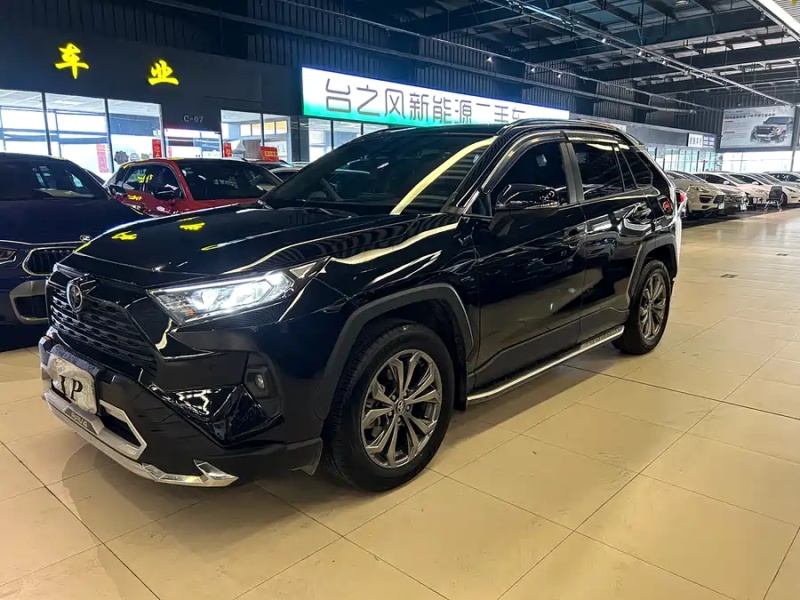
2026 Complete Guide: How to Import Used Cars from China to UAE (Dubai) – Regulations, Costs, Popular Models & Step-by-Step Process
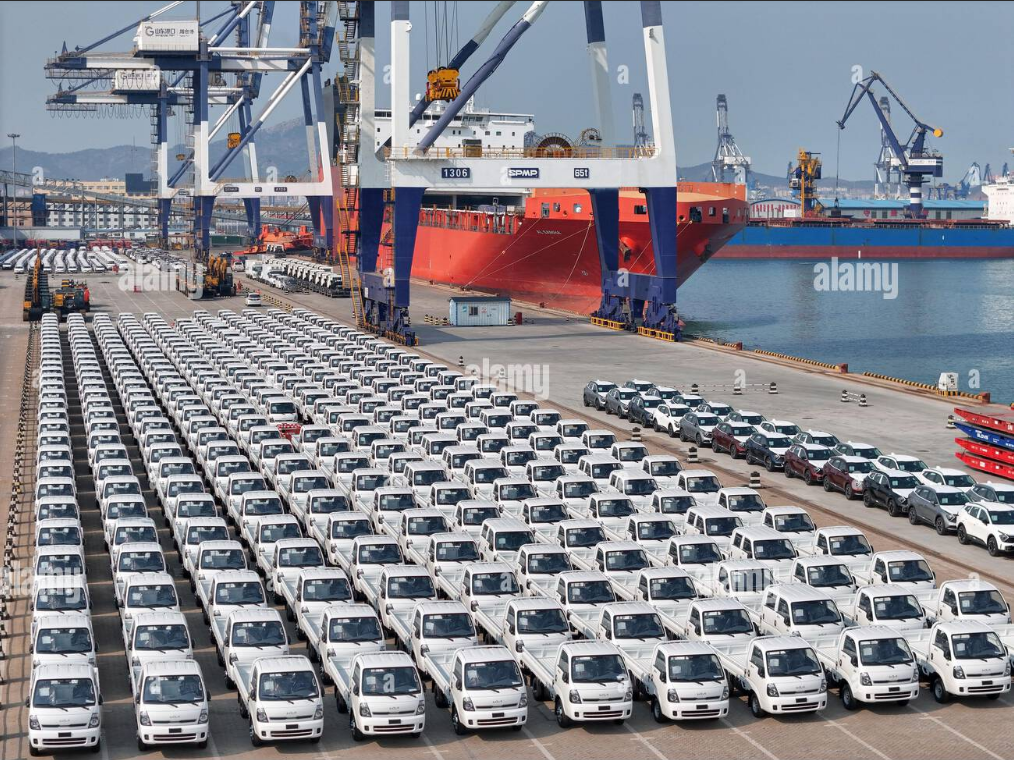
Introduction
The United Arab Emirates has long been one of the world's most dynamic automotive markets. With a car-loving population, tax-friendly business policies, and a strategic location at the crossroads of global trade, the UAE — and Dubai in particular — is a magnet for used car importers looking for profitable opportunities.
In recent years, a significant shift has been underway. Chinese automakers have moved far beyond their early reputation for producing budget vehicles. Today, brands like Jetour, Haval, BYD, and MG are manufacturing feature-rich, technologically advanced vehicles that rival — and in many cases outperform — their Japanese, Korean, and European counterparts in terms of value for money. For importers who want to import used cars from China to UAE, 2026 presents a window of extraordinary opportunity.
But importing vehicles across international borders is never as simple as placing an order. UAE regulations, shipping logistics, customs duties, and vehicle compliance standards all require careful navigation. Making even one mistake can result in costly delays, rejected shipments, or vehicles stranded at port.
This guide is designed to walk you through everything you need to know — from regulations and costs to the most popular models and the step-by-step import process. Whether you're a first-time importer or an experienced dealer looking to diversify your sourcing, this article will serve as your definitive roadmap.
If you're also exploring other high-demand markets, you may find value in our complete guide to importing used cars from China to Africa, which covers a complementary set of opportunities for Chinese vehicle exports.
Why UAE is a Strong Market for Chinese Used Cars in 2026
The UAE's appetite for automobiles shows no signs of slowing down. With over 2 million registered vehicles in Dubai alone and a population that treats cars as both essential transport and status symbols, the demand for quality vehicles at competitive prices is enormous.
Growing Acceptance of Chinese Brands
Five years ago, many UAE buyers were skeptical of Chinese vehicles. That skepticism has all but evaporated. Brands like Jetour, Haval, and BYD now have official dealer networks in the UAE, and their vehicles are a common sight on roads from Dubai Marina to Abu Dhabi's Corniche. This growing brand awareness creates a ready market for imported used models — buyers know the names, trust the quality, and appreciate the value.
Price-to-Feature Advantage
The core appeal of Chinese used cars in the UAE market is undeniable: you get significantly more car for your money. A two-year-old Jetour T2 or Haval H6, for example, offers features — panoramic sunroofs, advanced driver-assistance systems, large touchscreens, premium interiors — that would cost 40–60% more in a comparable Japanese or European model. For used car dealers, this translates into strong margins and fast turnover.
The UAE's Re-Export Hub Status
Dubai, in particular, isn't just an end market — it's a re-export hub. Many importers who import used cars from China to Dubai subsequently re-export vehicles to markets across the GCC, East Africa, Central Asia, and beyond. The UAE's free trade zones, world-class port infrastructure (Jebel Ali is the largest port in the Middle East), and minimal trade barriers make this re-export model highly profitable.
Demand for New Energy Vehicles (NEVs)
The UAE government's push toward sustainability, including its Net Zero 2050 strategy, has created surging demand for hybrid and electric vehicles. Chinese automakers are global leaders in NEV technology, and models like the BYD Qin Plus DM-i offer plug-in hybrid capabilities at price points that make European and American EVs look overpriced. This trend is also driving demand in other major import markets like Russia, where Chinese NEVs are experiencing similar rapid growth.
Key Market Indicators for 2026
| Factor | Detail |
|---|---|
| UAE population | ~10.5 million (high car ownership rate) |
| Average vehicles per household | 1.8–2.2 |
| Chinese brand market share (new cars) | ~12% and growing |
| Dubai vehicle registrations (annual) | 150,000+ |
| Key demand segments | SUVs, sedans, hybrids/EVs |
| Re-export potential | GCC, Africa, CIS countries |
UAE Used Car Import Regulations 2026
Understanding the regulatory landscape is critical before you import used cars from China to UAE. The rules differ slightly between emirates, but the federal framework provides the foundation.
Age Restrictions
The UAE does not impose a strict blanket age limit on used car imports at the federal level, but practical considerations apply:
Dubai (RTA): Generally accepts vehicles that are no older than 5 years from the date of manufacture for personal registration. Some exemptions exist for classic/collector vehicles.
Abu Dhabi: Similar age guidelines, typically requiring vehicles to be within 5 years of manufacture.
Free Zones (e.g., JAFZA, RAK): Vehicles imported for re-export through free zones may have more relaxed age requirements, as they are not being registered for domestic use.
Pro Tip: If you're importing for re-export rather than domestic registration, free zone regulations can significantly expand your sourcing options.
Emissions and Safety Standards
All vehicles imported for domestic registration must meet UAE emissions and safety standards. Key requirements include:
GCC specification compliance or ability to be modified to meet GCC specs (particularly for lighting, speedometer calibration in km/h, and climate suitability).
Emirates Authority for Standardization and Metrology (ESMA) conformity for certain vehicle categories.
Vehicles must pass a technical inspection upon arrival, covering brakes, suspension, emissions, lights, tires, and structural integrity.
Documentation Requirements
To clear customs and register an imported vehicle, you will need:
Original Certificate of Title / Ownership from China (translated and notarized)
Bill of Lading (B/L) from the shipping company
Commercial Invoice showing the vehicle's purchase price
Export Certificate from Chinese customs
Vehicle Identification Number (VIN) verification documents
Passport and trade license (for commercial importers)
Conformity Certificate (if applicable for the specific emirate)
Customs Duty
The UAE applies a 5% customs duty on the CIF (Cost, Insurance, and Freight) value of imported vehicles. This is notably lower than many other markets worldwide, making the UAE one of the more cost-friendly destinations for vehicle imports.
VAT
A 5% Value Added Tax (VAT) is applied on top of the CIF value plus customs duty for vehicles intended for domestic sale.
Left-Hand Drive Requirement
The UAE drives on the right side of the road, so all imported vehicles must be left-hand drive (LHD). This aligns perfectly with Chinese-market vehicles, which are exclusively LHD.
Complete Cost Breakdown for Importing a Used Car from China to UAE
Understanding the full cost structure is essential for calculating margins and making informed purchasing decisions. Here's a comprehensive breakdown for a typical mid-range SUV (e.g., Jetour T2 or Haval H6) valued at approximately $15,000 FOB China.
Cost Breakdown Table
| Cost Component | Estimated Range (USD) | Notes |
|---|---|---|
| Vehicle purchase price (FOB) | $10,000 – $25,000 | Depends on model, year, mileage |
| Inland transport (China) | $200 – $500 | Factory/yard to port |
| Export documentation (China) | $150 – $300 | Customs clearance, certificates |
| Ocean freight (RoRo) | $800 – $1,500 | Shanghai/Guangzhou to Jebel Ali |
| Ocean freight (Container) | $1,200 – $2,500 | 40ft container fits 2–4 vehicles |
| Marine insurance | $150 – $400 | Typically 1–2% of vehicle value |
| UAE customs duty | 5% of CIF | CIF = FOB + freight + insurance |
| UAE VAT | 5% of (CIF + duty) | For domestic sale |
| Port handling / terminal fees | $200 – $400 | Jebel Ali or Sharjah port |
| UAE vehicle inspection | $100 – $250 | RTA or authorized center |
| Registration (if applicable) | $300 – $600 | Plates, Salik tag, insurance |
| Agent/broker fees (if used) | $200 – $500 | Optional but recommended |
Example Calculation
For a Jetour T2 purchased at $15,000 FOB:
| Item | Amount (USD) |
|---|---|
| Vehicle (FOB) | $15,000 |
| Freight (RoRo) | $1,100 |
| Insurance | $250 |
| CIF Total | $16,350 |
| Customs duty (5%) | $818 |
| VAT (5%) | $858 |
| Port handling + inspection | $500 |
| Total landed cost | ~$18,526 |
With a UAE retail value for a similar-spec Jetour T2 ranging from $22,000–$28,000 depending on year and condition, the margin potential is clear.
Important: These figures are estimates based on 2025–2026 market conditions. Actual costs may vary based on shipping line, season, vehicle condition, and specific emirate requirements. For accurate, current pricing, it's always advisable to request a detailed quote from your exporter.
Most Popular Chinese Used Car Models for the UAE Market
Not every Chinese model is equally suited for the UAE. Climate, consumer preferences, road conditions, and feature expectations all play a role. Here are the models that are performing best in 2026.
Jetour T2 — The Desert-Ready Adventure SUV
The Jetour T2 has emerged as one of the most exciting Chinese vehicles for the UAE market. With its rugged, off-road-capable design, powerful turbocharged engine, and a feature list that reads like a luxury vehicle spec sheet, the T2 hits a sweet spot that few competitors can match at its price point.
Why the T2 sells in the UAE:
Off-road capability: With dedicated off-road modes, a robust suspension system, and generous ground clearance, the T2 appeals to the large segment of UAE buyers who enjoy desert driving and weekend adventures.
Premium interior: Dual screens, Nappa leather options, 64-color ambient lighting, and a panoramic sunroof — features that UAE buyers expect.
Climate-ready performance: Powerful A/C system and engine calibration suited for high-temperature operation.
Competitive pricing: As a used import, a 1–2 year old T2 can arrive in Dubai at a fraction of the cost of comparably equipped competitors.
Key Specifications:
| Spec | Detail |
|---|---|
| Engine | 1.6T / 2.0T Turbocharged |
| Power | 197–254 hp |
| Transmission | 7-speed DCT |
| Drive | AWD available |
| Key features | L2 ADAS, panoramic sunroof, 540° camera |
| UAE appeal rating | ★★★★★ |
The Jetour T2 is consistently one of the most requested models by UAE importers working with experienced Chinese used car exporters like PandaUsedCars, and current inventory typically moves quickly.
Haval Jolion / Haval H6 — The Proven Bestsellers
Haval — the SUV-focused brand under Great Wall Motors — has established itself as one of the most recognized Chinese brands in the Middle East. Both the Jolion (compact SUV) and the H6 (mid-size SUV) are excellent choices for the UAE market.
Haval Jolion:
Compact, stylish, and fuel-efficient
Ideal for urban driving in Dubai and Abu Dhabi
Strong resale value due to brand recognition
Price range (used, FOB China): $8,000–$14,000
Haval H6:
One of the world's best-selling SUVs (globally)
Spacious, well-equipped, and reliable
Available in both ICE and HEV versions
Price range (used, FOB China): $12,000–$20,000
Both models benefit from Haval's established dealer and service network in the UAE, which gives buyers confidence and supports strong resale values.
BYD Qin Plus DM-i — The Smart Hybrid Choice
As the UAE pushes toward its sustainability goals, hybrid vehicles are increasingly in demand. The BYD Qin Plus DM-i represents the best of Chinese hybrid technology:
DM-i super hybrid system: Exceptional fuel economy (as low as 1.0L/100km in hybrid mode)
Electric-only range: 55–120 km depending on variant
Tech-forward interior: 12.8-inch rotating touchscreen, DiLink system
Total cost of ownership: Dramatically lower fuel costs vs. traditional sedans
Price range (used, FOB China): $10,000–$16,000
For dealers targeting the growing "green-conscious" segment of UAE buyers — particularly younger professionals — the Qin Plus DM-i is a compelling proposition.
MG HS — The Reliable All-Rounder
MG, now owned by Chinese automaker SAIC Motor, carries significant brand heritage (originally a British brand) that resonates with UAE buyers. The MG HS is a practical, well-priced mid-size SUV that offers:
Clean, understated design
Turbocharged 1.5T engine with good performance
Trophy and PHEV versions available
Already well-established in the UAE market through MG's dealer network
Price range (used, FOB China): $9,000–$15,000
The MG HS is particularly popular among importers who want a "safe bet" — a vehicle with proven demand and low risk of slow turnover.
Step-by-Step Process: How to Import Used Cars from China to UAE
Here is the complete process, broken down into manageable steps, for anyone looking to import used cars from China to Dubai or other UAE emirates.
Step 1: Market Research and Model Selection
Before contacting any supplier, understand your target market:
Which models are in demand in your specific emirate?
What's the current retail pricing for your target vehicles?
Are you importing for domestic sale, re-export, or both?
What's your budget per unit, including all landed costs?
Step 2: Find a Reliable Chinese Used Car Exporter
This is arguably the most critical step. Your exporter should:
Have a verifiable track record of exporting to the Middle East
Provide comprehensive vehicle inspection reports with photos and videos
Handle all Chinese-side export documentation
Offer transparent pricing with no hidden fees
Have experience with UAE-specific requirements
We'll discuss this in more detail in a dedicated section below.
Step 3: Vehicle Selection and Inspection
Once you've identified a trusted exporter:
Review available inventory (online catalogs, live photos, videos)
Request detailed condition reports including mileage verification
Confirm vehicle specifications match UAE/GCC requirements (LHD, appropriate features)
Negotiate pricing and agree on payment terms
Step 4: Purchase Agreement and Payment
Sign a formal purchase/export agreement
Arrange payment — typically via T/T (telegraphic transfer) or L/C (letter of credit) for larger orders
Ensure the agreement covers vehicle condition guarantees, shipping timeline, and dispute resolution
Step 5: Chinese Export Customs Clearance
Your exporter will handle:
Vehicle de-registration in China
Export customs declaration
Obtaining the export certificate
Arranging inland transport to the departure port
Step 6: Shipping
Choose between RoRo (Roll-on/Roll-off) or container shipping based on volume and budget
Obtain the Bill of Lading from the shipping line
Arrange marine insurance coverage
Step 7: UAE Customs Clearance
Upon arrival at a UAE port (typically Jebel Ali):
Submit all documentation to UAE customs
Pay the 5% customs duty on CIF value
Clear the vehicle through customs (your local clearing agent will manage this)
Step 8: Vehicle Inspection and Registration
Book and pass a vehicle technical inspection at an RTA-authorized center (Dubai) or equivalent authority
Obtain registration plates and complete Salik (toll system) setup
Arrange mandatory UAE vehicle insurance
Step 9: Sale or Distribution
List vehicles for sale through your dealership, online platforms (Dubizzle, CarSwitch, etc.), or wholesale channels
For re-export, arrange onward shipping from UAE free zones
Shipping & Logistics from China to UAE
Efficient shipping is the backbone of a successful import operation. The China-to-UAE route is one of the most well-established vehicle shipping corridors in the world.
Major Chinese Departure Ports
| Port | Location | Advantages |
|---|---|---|
| Shanghai | East China | Largest port, most shipping line options |
| Guangzhou (Nansha) | South China | Close to many manufacturers, competitive rates |
| Tianjin (Xingang) | North China | Serves northern China factories |
| Xiamen | Southeast China | Growing export hub |
UAE Arrival Ports
Jebel Ali (Dubai): The primary destination — largest port in the region with extensive free zone facilities
Khalifa Port (Abu Dhabi): Growing alternative with modern infrastructure
Port Rashid (Dubai): Handles some vehicle shipments
Sharjah / Hamriyah: Options for smaller shipments
RoRo vs. Container Shipping
| Factor | RoRo | Container (20ft/40ft) |
|---|---|---|
| Cost per vehicle | Lower ($800–$1,500) | Higher ($1,200–$2,500) |
| Security | Good (open deck) | Excellent (sealed container) |
| Suitability | Single vehicles, standard models | Multiple vehicles, high-value cars |
| Transit time | 18–25 days | 20–30 days |
| Availability | Regular sailings | Flexible scheduling |
| Additional parts/accessories | Not easily included | Can pack spare parts alongside |
Transit Times
Shanghai to Jebel Ali: 18–22 days (RoRo), 20–28 days (container)
Guangzhou to Jebel Ali: 15–20 days (RoRo), 18–25 days (container)
Shipping Tips
Book early during peak seasons (Q4 and Chinese New Year period see high demand and rate increases)
Always insure your cargo — marine insurance typically costs 1–2% of vehicle value and is well worth the peace of mind
Work with freight forwarders experienced in vehicle shipping — general cargo forwarders may not understand vehicle-specific handling requirements
For the latest information on shipping schedules and logistics support, you can explore the services and resources available at PandaUsedCars to streamline your import process.
Common Mistakes to Avoid When Importing from China to UAE
Even experienced importers can stumble. Here are the most common pitfalls — and how to avoid them.
1. Skipping Independent Vehicle Inspection
The mistake: Relying solely on seller-provided photos without a third-party inspection.
The fix: Always request a comprehensive inspection report — or better yet, work with an exporter who provides detailed photo sets, video walkarounds, and transparent condition disclosures as standard practice.
2. Ignoring UAE Specification Requirements
The mistake: Importing a vehicle that doesn't meet GCC specifications — wrong headlight configuration, missing features, or instrumentation in Chinese only.
The fix: Confirm all specification details before purchase. Reputable exporters will verify GCC compatibility and can arrange necessary modifications before shipping.
3. Underestimating Total Landed Costs
The mistake: Budgeting only for the vehicle purchase price and being surprised by freight, duties, VAT, port charges, and inspection fees.
The fix: Use the cost breakdown table in this guide to calculate your total landed cost before committing to a purchase. Always add a 5–10% buffer for unexpected expenses.
4. Choosing the Wrong Shipping Method
The mistake: Using container shipping for a single low-value vehicle (overpaying) or RoRo for a high-value luxury vehicle (insufficient protection).
The fix: Match your shipping method to your volume and vehicle value. For bulk orders, containers often provide better per-unit economics. For single vehicles, RoRo is typically more cost-effective.
5. Neglecting Documentation
The mistake: Arriving at UAE customs with incomplete or incorrect paperwork, resulting in delays and storage charges.
The fix: Create a documentation checklist and verify every item before the vehicle ships. Your exporter should provide all Chinese-side documents in proper order.
6. Failing to Research Market Demand
The mistake: Importing vehicles based on price alone, without confirming actual demand in the UAE market.
The fix: Research current listings on Dubizzle, CarSwitch, and dealer inventories. Talk to local dealers. Understand which models, years, and specifications sell quickly — and which sit on lots.
7. Not Establishing a Proper Payment Security Framework
The mistake: Sending full payment upfront to an unverified supplier.
The fix: Use structured payment terms (e.g., 30% deposit, 70% against Bill of Lading). For large orders, consider letters of credit. Always verify your supplier's business credentials before sending any funds.
How to Choose a Reliable Chinese Used Car Exporter
Your exporter is your most important business partner in this process. Choosing the right one can mean the difference between a profitable, stress-free operation and a costly nightmare.
Key Criteria to Evaluate
1. Export Experience and Track Record
How many years have they been exporting vehicles?
Do they have specific experience with the UAE/Middle East market?
Can they provide references from existing UAE-based clients?
2. Transparency and Communication
Do they provide detailed vehicle reports with real photos (not stock images)?
Are they responsive and communicative in English?
Do they proactively disclose vehicle issues or limitations?
3. Documentation Capability
Can they handle all Chinese export documentation efficiently?
Do they understand UAE import requirements and prepare paperwork accordingly?
4. Logistics Network
Do they have relationships with reliable shipping lines?
Can they arrange inland transport to major Chinese ports?
Do they offer end-to-end service from vehicle sourcing to port loading?
5. Inventory Range
Do they maintain a diverse inventory of popular models?
Can they source specific models on request?
Do they offer competitive pricing with clear, itemized quotes?
6. After-Sale Support
What happens if a vehicle arrives with undisclosed damage?
Do they have a dispute resolution process?
Will they assist with documentation issues post-shipment?
Red Flags to Watch For
Prices that seem significantly below market value (if it seems too good to be true, it probably is)
Refusal to provide video inspections or additional photos on request
Pressure to pay 100% upfront before shipping
No verifiable business registration or export license
Poor or non-existent online presence
Unwillingness to provide past client references
Working with experienced Chinese used car exporters like PandaUsedCars can significantly reduce risk. Established exporters have refined their processes over years and hundreds of transactions, and they understand the specific needs of UAE importers — from GCC specification verification to documentation that clears UAE customs smoothly.
To stay informed about the latest trends and developments in the Chinese used car export market, consider following industry news and updates from trusted sources.
Conclusion
The opportunity to import used cars from China to UAE in 2026 is substantial and growing. Chinese automakers have reached a quality level that commands genuine respect in even the most discerning markets, and the UAE's combination of strong demand, low import duties, and re-export potential makes it one of the most attractive destinations for Chinese used vehicle imports worldwide.
To succeed, you need three things: the right vehicles, the right process, and the right partners.
The right vehicles are models like the Jetour T2, Haval H6, BYD Qin Plus DM-i, and MG HS — vehicles that deliver exceptional value and meet UAE buyer expectations for features, quality, and reliability.
The right process means understanding UAE import regulations, calculating your full landed costs accurately, handling documentation meticulously, and choosing the optimal shipping method for your volume and budget.
The right partners — especially your Chinese exporter — can make everything else fall into place. A reliable exporter doesn't just sell you cars; they become an extension of your business, handling sourcing, inspection, documentation, and logistics with the professionalism and transparency that cross-border trade demands.
Ready to explore your options? Whether you're looking to source a single vehicle or build a regular import pipeline, the team at PandaUsedCars is here to help. With a continuously updated inventory of popular Chinese models, transparent pricing, and deep experience shipping to the UAE and the wider Middle East, we can provide the support you need to make your import business a success.
Contact PandaUsedCars today to browse current stock, request a quote, or discuss your specific import requirements. Your next profitable shipment could be just one conversation away.
news