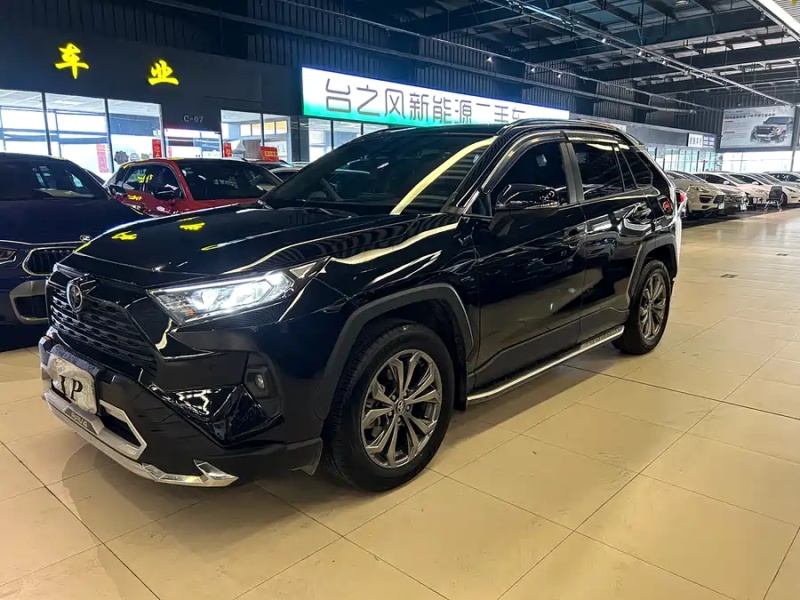
2026 Complete Guide: How to Import Used Cars from China to Africa – Costs, Regulations & Step-by-Step Process
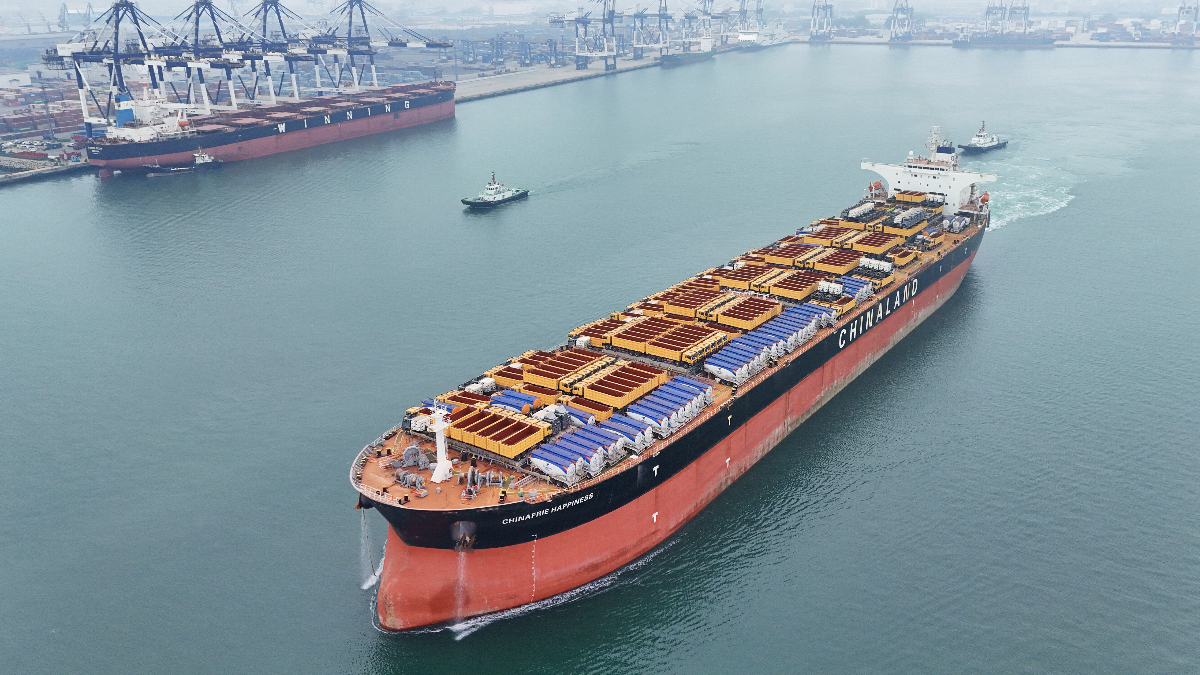
Introduction: Why 2026 Is a Landmark Year to Import Used Cars from China to Africa
The African used vehicle market is experiencing one of its most significant growth phases in history. According to industry projections, Sub-Saharan Africa alone is expected to import over 1.2 million used vehicles in 2026, with China firmly cementing its position as the continent's dominant supply source. Vehicle registration rates across Nigeria, Kenya, Tanzania, Ghana, Ethiopia, and South Africa are accelerating, driven by rising middle-class incomes, infrastructure expansion, and an urgent demand for affordable, reliable personal and commercial transport.
For dealers, fleet operators, and business owners looking to import used cars from China to Africa in 2026, the opportunity has never been more strategically compelling. China's automotive market produces an extraordinary annual volume of pre-owned vehicles — from fuel-efficient sedans and rugged SUVs to heavy-duty pickups and an expanding range of electric vehicles (EVs) — all available at price points that no other global source can match.
This comprehensive guide will walk you through everything you need to know: the full step-by-step import process, accurate cost breakdowns, 2026 regulatory requirements by country, how to identify a trustworthy Chinese exporter, and the most profitable vehicle types for the African market. Whether you're a first-time importer or a seasoned dealer scaling your operation, this guide is your definitive roadmap.
Why China Is Still the Best Source for Used Cars in Africa in 2026
Unmatched Inventory Scale and Vehicle Variety
China's domestic vehicle parc now exceeds 330 million registered vehicles, generating an enormous and continuously refreshed pool of quality used cars. Leading exporters maintain inventories of 85,000+ vehicles at any given time, spanning every segment — compact city cars, family SUVs, commercial pickups, minibuses, and increasingly, battery-electric vehicles.
This sheer scale means African buyers have genuine choice, can compare specifications and mileage ranges, and are never forced into compromised purchasing decisions due to limited stock.
Price Competitiveness That No Other Market Matches
When comparing equivalent vehicles across Japan, the UAE, the USA, or Europe, Chinese sourced used cars consistently deliver 20–40% lower landed costs for African importers. Several structural factors drive this:
High domestic vehicle turnover: Chinese consumers replace vehicles frequently, creating high supply volume
Competitive export infrastructure: Decades of export experience have created efficient logistics ecosystems
Favourable trade routes: Direct shipping lines from Tianjin, Shanghai, and Guangzhou to African ports including Mombasa, Dar es Salaam, Lagos, Durban, and Djibouti are well established and competitively priced
Strong RMB/USD dynamics benefiting African buyers transacting in USD
Rising EV Availability and Demand Alignment
One of the most exciting developments shaping Africa car import 2026 is the surge of Chinese-brand electric vehicles entering the export pipeline. Brands including BYD, Chery, BAIC, and Geely are producing EVs at volumes that are now creating a viable used EV market. With several African cities investing in EV charging infrastructure and governments offering import duty incentives for electric vehicles, the timing aligns perfectly for forward-thinking importers.
Brand Diversity and Familiarity
African consumers are increasingly familiar with and confident in Chinese automotive brands. Haval, Chery Tiggo, Great Wall, SAIC, and FAW have established dealer networks across the continent. Importing these brands from China means accessible spare parts, established service networks, and growing consumer trust.
Step-by-Step Import Process from China to Africa (2026 Updated)
Step 1: Finding and Selecting Reliable Suppliers
Begin by identifying verified Chinese used car exporters with demonstrable export experience to African markets. Key verification steps include:
Confirm business registration and export licence validity
Request references from previous African clients
Verify membership in recognised export associations
Assess their digital presence, inventory transparency, and communication responsiveness
Platforms like Alibaba, Made-in-China, and dedicated automotive export portals can surface candidates, but always conduct direct due diligence. Visiting the Canton Fair (held biannually in Guangzhou) remains one of the most effective ways to meet exporters face-to-face and assess their scale and credibility firsthand.
Pro Tip: Work with exporters offering real-time inventory access online. An exporter with live stock listings of 85,000+ vehicles signals genuine scale and operational transparency.
Step 2: Vehicle Inspection and Verification
This is the most critical step and where many importers make costly mistakes. Never purchase a vehicle without a professional pre-shipment inspection.
The industry standard is a 120-point professional inspection, which covers:
Engine performance and oil condition
Transmission and drivetrain assessment
Full chassis and underbody inspection
Electrical systems and ECU diagnostics
Airbag and safety systems verification
Bodywork, paint, and rust assessment
Mileage authenticity verification
Tyre condition and brake system evaluation
Insist on receiving a full inspection report with photographic and video evidence before confirming payment. Reputable exporters will provide this as standard.
Step 3: Documentation and Export Procedures
Required Chinese export documentation includes:
Export contract (signed between buyer and exporter)
Commercial invoice
Packing list
Chinese vehicle title (Green Card) or deregistration certificate
Certificate of Origin (from China Council for the Promotion of International Trade / CCPIT)
Customs export declaration (filed with Chinese customs)
Fumigation certificate (required by many African countries)
Allow 7–14 days for documentation preparation after payment confirmation.
Step 4: Shipping Options and Routes to Major African Ports
| Shipping Method | Transit Time | Cost Range (20ft container) | Best For |
|---|---|---|---|
| RoRo (Roll-on/Roll-off) | 25–40 days | USD 800–1,400 | Single vehicles or small consignments |
| Container (FCL – 40ft) | 28–45 days | USD 1,500–3,000 | 3–6 vehicles per shipment |
| Container (LCL) | 35–55 days | USD 300–700 per unit | 1–2 vehicles on shared container |
Key African Ports and Feeder Routes:
East Africa: Mombasa (Kenya), Dar es Salaam (Tanzania), Djibouti — served from Shanghai and Tianjin
West Africa: Lagos (Nigeria), Tema (Ghana), Abidjan (Côte d'Ivoire) — served from Guangzhou/Nansha
Southern Africa: Durban (South Africa), Beira (Mozambique) — served from Shanghai
North Africa: Alexandria (Egypt), Casablanca (Morocco) — served from Tianjin
Step 5: Customs Clearance and Import Regulations by Region
Work with a freight forwarder who has established relationships with customs authorities at your destination port. Many reputable exporters offer one-stop logistics and customs clearance services, which dramatically reduces delays and compliance risks for African importers.
Detailed Cost Breakdown for Importing Used Cars from China to Africa
Vehicle Purchase Price
Typical price ranges for quality used vehicles from China in 2026:
Economy sedans (e.g., Toyota Corolla, Chery Arrizo): USD 4,000–8,000
Mid-range SUVs (e.g., Haval H6, Honda CR-V): USD 8,000–18,000
Commercial pickups (e.g., Great Wall Poer, Toyota Hilux): USD 10,000–22,000
Electric vehicles (e.g., BYD Dolphin, Ora Good Cat): USD 8,000–20,000
Minibuses/vans (e.g., Toyota HiAce, King Long): USD 12,000–30,000
Shipping Costs
Depending on origin port and African destination:
China to East Africa (RoRo, per unit): USD 700–1,200
China to West Africa (container FCL per unit): USD 600–1,000
China to Southern Africa (container FCL per unit): USD 800–1,400
Customs Duties, Taxes, and Port Handling Fees
This varies significantly by country. A general overview:
| Country | Import Duty | VAT/Tax | Age Restriction |
|---|---|---|---|
| Kenya | 25% CIF value | 16% VAT + 7% IDF | Max 8 years old |
| Nigeria | 35% CIF value | 7.5% VAT | Max 15 years old |
| Tanzania | 25% CIF value | 18% VAT | Max 10 years old |
| Ghana | 20% CIF value | 12.5% VAT | Max 10 years old |
| Ethiopia | 35% CIF value | 15% VAT | Max 8 years old |
| South Africa | 25% CIF value | 15% VAT | No age restriction |
Note: Always verify current tariff schedules directly with the destination country's customs authority or your freight forwarder, as rates can be updated.
Hidden Costs and How to Avoid Them
Watch out for these commonly overlooked expenses:
Port demurrage fees: Avoid by ensuring your customs agent is on-site before vessel arrival
Container examination fees: Budget USD 200–500 as a contingency
Currency conversion losses: Lock in USD rates early in the transaction
Document legalisation/apostille fees: Budget USD 100–300
Inland transport from port to final destination: Can add USD 200–800 depending on distance
Total Estimated Landed Cost Examples
Example 1 – Used Haval H6 SUV to Mombasa, Kenya
Vehicle: USD 12,000 | Shipping: USD 900 | Kenya duty + VAT: ~USD 4,830 | Port/handling: USD 600 | Total: ~USD 18,330
Example 2 – Used Toyota HiAce Minibus to Lagos, Nigeria
Vehicle: USD 18,000 | Shipping: USD 950 | Nigeria duty + VAT: ~USD 7,700 | Port/handling: USD 700 | Total: ~USD 27,350
Key Regulations and Compliance Requirements (2026)
Age and Emission Standards
Most African markets have tightened vehicle age restrictions in recent years. The general direction is toward Euro 4 emission standards minimum, with several East African Community (EAC) member states formally mandating this from 2023 onward.
Key 2026 compliance points:
Ensure vehicles meet Euro 4 or higher emission specifications for Kenya, Tanzania, Uganda, Rwanda, and Ethiopia
Request emission compliance documentation from the Chinese exporter
South Africa requires compliance with SANS 20 roadworthiness standards for all imported used vehicles
Required Documents for Customs Clearance
Original Bill of Lading (OBL)
Commercial invoice and packing list
Certificate of Origin (CCPIT-certified)
Pre-shipment inspection certificate (from an accredited inspection body)
Fumigation certificate
Deregistration/export certificate from Chinese authorities
Destination country-specific requirements (e.g., KEBS inspection certificate for Kenya)
Common Pitfalls with African Customs
Misdeclared vehicle values: Always use accurate CIF valuations. Customs authorities in Kenya, Nigeria, and Tanzania actively cross-reference declared values against regional database benchmarks
Missing original documents: Never ship without confirmed possession of originals — many African ports will not release cargo without the OBL
Non-compliant vehicle age: A vehicle rejected at port means costly re-export or destruction. Double-check age compliance before purchase
How to Choose a Trusted Chinese Exporter (What to Look For)
Green Flags
Verified inventory of 85,000+ vehicles accessible in real-time — this indicates genuine scale
Mandatory 120-point pre-shipment inspection with full reports provided as standard
Export experience across 207+ countries — this breadth demonstrates compliance capability and logistics expertise
Dedicated Africa export team with country-specific knowledge
One-stop logistics service covering freight booking, documentation, and customs clearance
Clear, responsive communication in English (or your preferred language)
Transparent pricing with no unexplained surcharges
Red Flags to Watch Out For
Requests for 100% upfront payment with no escrow or trade finance option
No inspection process or refusal to provide inspection reports
Inability to provide verifiable references from African clients
Vague or inconsistent communication
No traceable physical business address in China
Prices significantly below market rate (often signals salvage-title or odometer-tampered vehicles)
For a full overview of our export services and delivery process, explore our delivery process page and service overview.
Best Vehicle Types and Models for the African Market in 2026
Top Recommended Categories
1. Pickup Trucks (Highest Demand)Pickups remain Africa's most versatile commercial and personal vehicle. Top models:
Great Wall Poer – robust, modern, competitive pricing
Toyota Hilux (used, Japan-spec sourced via China) – perennial favourite
JAC T8 Pro – excellent value for fleet operators
2. Mid-Size SUVs (Fastest Growing Segment)
Haval H6 – best-selling Chinese SUV, widely recognised across Africa
Chery Tiggo 7 Pro – strong safety ratings, fuel-efficient
BYD Song Plus – available as hybrid and EV variant, growing demand
3. Minibuses and Passenger Vans (Fleet and Public Transport)
Toyota HiAce – dominant across East and West Africa
King Long XML6 series – Chinese-manufactured, popular for school and shuttle fleets
SAIC Maxus V80 – growing adoption in urban transport operations
4. Electric Vehicles (Emerging but High Opportunity)
BYD Dolphin – compact EV ideal for urban African markets with growing charging infrastructure
Chery eQ7 – competitive range, popular in North African markets
BAIC EU Series – affordable EV entry point for East African fleet trials
Browse our full used cars inventory to explore available stock by category, brand, and mileage range.
Common Mistakes African Buyers Make When Importing from China and How to Avoid Them
Mistake 1: Skipping Professional InspectionMany first-time buyers rely on seller-provided photos. Always insist on third-party or exporter-conducted 120-point inspection with video evidence. A USD 150 inspection saves potential USD 3,000+ in post-arrival repair costs.
Mistake 2: Underestimating Total Landed CostVehicle price is only 55–65% of your total investment. Failing to account for shipping, duties, port fees, and inland transport leads to cash flow problems and unprofitable trades.
Mistake 3: Ignoring Age and Emissions RegulationsPurchasing a vehicle that exceeds the destination country's age or emissions limit results in rejection at port — a total loss scenario. Always verify compliance before finalising purchase.
Mistake 4: Working With Unverified ExportersFraud risk exists in any international trade context. Vet your exporter thoroughly, use trade finance instruments where possible, and always have a signed contract in place.
Mistake 5: Poor Shipping TimingAfrican port congestion is seasonal. Shipping to Lagos during peak December–January periods or to Mombasa during monsoon disruptions can add 2–4 weeks to transit. Plan your orders 60–90 days in advance.
Mistake 6: Neglecting Aftersales PlanningImport a vehicle without confirming spare parts availability or service support in your market. Focus on brands with established African dealer networks for post-sale success.
Real Buyer Success Tips and Practical Checklist
Practical Import Checklist for African Buyers
Use this checklist to manage every import from China efficiently:
Pre-Purchase Phase
[ ] Define vehicle specifications, target market, and budget
[ ] Verify exporter credentials and references
[ ] Request real-time inventory access
[ ] Confirm vehicle age and emission compliance with destination country regulations
[ ] Obtain written price quote including all known fees
Purchase and Inspection Phase
[ ] Sign formal export contract
[ ] Confirm 120-point inspection is scheduled
[ ] Receive full inspection report with photos and video
[ ] Verify VIN, mileage, and title authenticity
[ ] Agree on payment terms (letter of credit or verified escrow recommended for first orders)
Shipping and Documentation Phase
[ ] Confirm Certificate of Origin is being prepared (CCPIT-certified)
[ ] Obtain fumigation certificate
[ ] Confirm Bill of Lading details before vessel departure
[ ] Verify all documents against destination country checklist
[ ] Engage local customs agent at destination port
Arrival and Clearance Phase
[ ] Confirm cargo arrival notice with shipping line
[ ] Submit customs declaration before vessel arrival to avoid demurrage
[ ] Pay duties and taxes promptly
[ ] Conduct post-arrival quality check
[ ] Document any discrepancies immediately with photographic evidence
For personalised support throughout this process, visit our contact page to connect with our export specialists.
Conclusion: Your 2026 Africa Car Import Journey Starts Here
Importing used cars from China to Africa in 2026 remains one of the most profitable and scalable vehicle sourcing strategies available to African dealers, fleet operators, and entrepreneurs. The combination of China's vast, well-priced inventory, established shipping routes, growing EV options, and increasingly professional export ecosystem makes it the clear market leader for African vehicle importers.
The key to success lies in diligence: choosing a verified exporter with genuine scale and transparent processes, conducting thorough pre-shipment inspections, understanding your destination country's regulatory requirements, and planning your logistics carefully.
Key Takeaways:
China's 85,000+ vehicle inventory offers unmatched choice at competitive price points
A professional 120-point inspection is non-negotiable for every purchase
Total landed costs are typically 1.5–2x the vehicle purchase price — budget accordingly
Emission and age compliance must be confirmed before purchase, not after arrival
Working with an exporter offering one-stop logistics and customs support dramatically reduces risk
EVs represent the highest-growth opportunity for forward-thinking African importers in 2026
The importers who succeed in 2026 and beyond will be those who treat vehicle sourcing as a structured business process — not a series of one-off transactions. Build relationships with reliable Chinese exporters, understand your markets, and scale systematically.
Ready to start your import journey? Contact our team for the latest stock list, personalised quotes, and full import support — from vehicle selection and inspection all the way to delivery at your African destination port. Get in touch today.
news